

Summary: A crawl space foundation has several advantages over basements and concrete slab foundations and is a way to save money when building a new home.
A crawl space has several advantages over basements and concrete slab foundations:
- A crawl space elevates the house. This is very important in damp areas as well as areas that are subject to termite infestation.
- A crawl space is less expensive than a basement. It should cost about the same as a raised concrete slab foundation.
- Heating and air conditioning duct work as well as plumbing is easier to install and maintain.
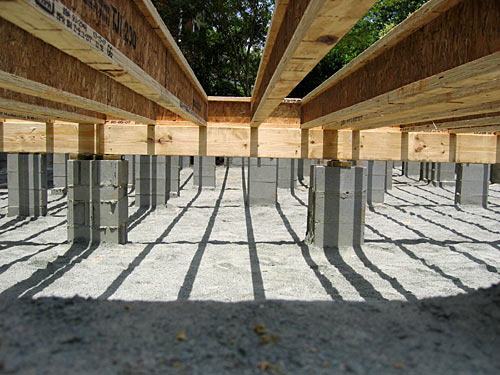
A crawl space should be at least 18 inches high so that you can crawl beneath the house annually to inspect for such things as termite damage. 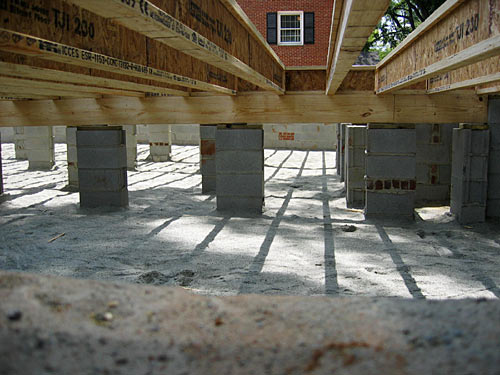
You can see why they are called “Crawl Spaces.”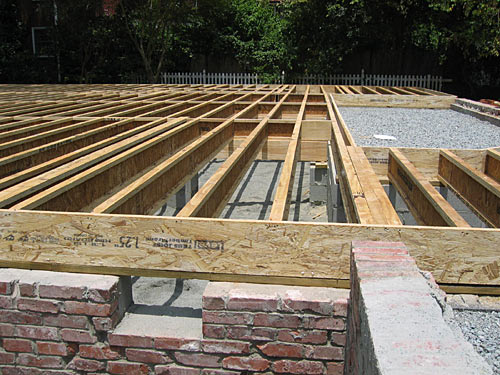
The crawl space walls should have screened openings for ventilation. 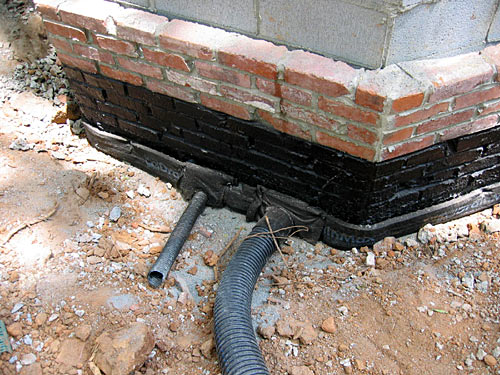
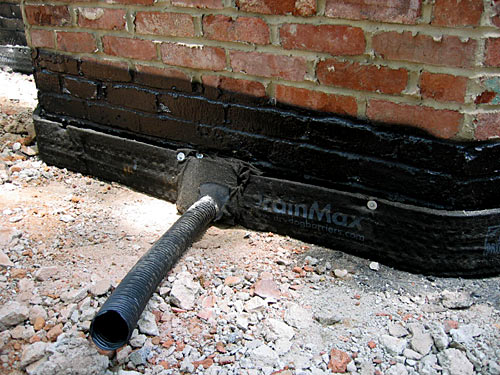
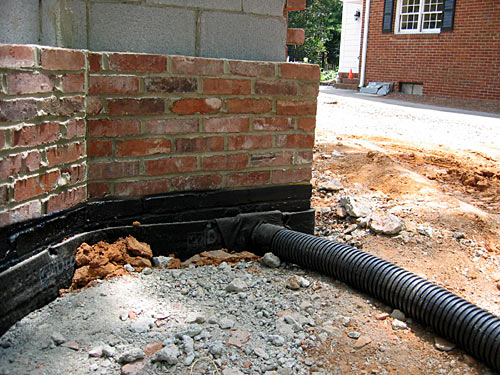
The finished crawl space should be waterproofed. See "Waterproofing".
A crawl space has several disadvantages too:
- Crawl spaces are a source of moisture in a home providing an environment for mold, fungi, and insects that destroy wood framing.
- Most builders, in an effort to save money, don't allow any more than the minimum, code required, 18 inch high space. If you've ever had to do anything inside a crawl space 18 inches (minus the room taken up by pipes and ducts), you've had a few unkind "words" for the builder.
Crawl Space tips:
- For a more attractive appearance without spending too much money a crawl space can be made of cinder block with a brick facing as shown in the images above.
- Be sure that in the final grading stage of construction that the earth slopes away from the house for at least 6 feet or more. This is important with any kind of foundation.
- Don't trust gutters to protect your foundation from "run off" water.
- Install a 6-mil polyethylene vapor barrier across the crawl space floor. This will help prevent soil moisture from escaping into the crawl space.
- Proper ventilation of the crawl space is important.
- Read my page on crawl space ventilation.
- Insulate crawl space walls only if the crawl space is dry all year, the floor above is not insulated, and all ventilation to the crawl space is blocked! Read my page on Crawl Space Insulation.
Carl Heldmann
